
The City of Kings, the noble title that it holds until now, Lima city in Peru is growing as a metropolis in a fast and modern way.
Lima was the capital of the Viceroyalty of Peru and the largest and most important city in South America during the Spanish regime; after Independence, it became the capital of the Republic.
Due to its expansion and populous urban area, today it is called Metropolitan Lima, and has a population of more than 9 million 320 thousand inhabitants, who represent 30% of the Peruvian population. This figure has made it the most populous city in the country, the fifth in Latin America and the Caribbean, and one of the thirty most populated urban agglomerations in the world. Likewise, Lima city in Peru is considered as the commercial, financial, cultural and political center of the country.
Jurisdictionally, the metropolis extends mainly within the province of Lima and in a smaller portion, towards the west, within the Constitutional province of Callao, where the seaport and the Jorge Chávez International Airport are located. Both provinces have regional autonomy since 2002.
What means Lima?
The meaning of Lima is derived from the name of the Rímac river, which comes from Quechua words: “Limaq”, that means «talkative», which is why this river is also known by the people of Lima as the Talking River. This name was probably given to it in the time of the Incas, due to the loud noise that its waters make in high seasons when they collide with the stones at the bottom. And Lima comes from its name as its pronunciation has been distorted.
Which country is Lima located?
Lima is located on the central coast of Perú, on the shores of the Pacific Ocean, flanked by the coastal desert and extended over the valleys of the Chillón, Rímac and Lurín rivers.
Lima is the capital of Peru?
Lima is the capital city of the Republic of Perú.
Altitude of Lima
Located on the central coast of the Pacific Ocean, Lima, reaches an altitude of 101 meters above sea level.
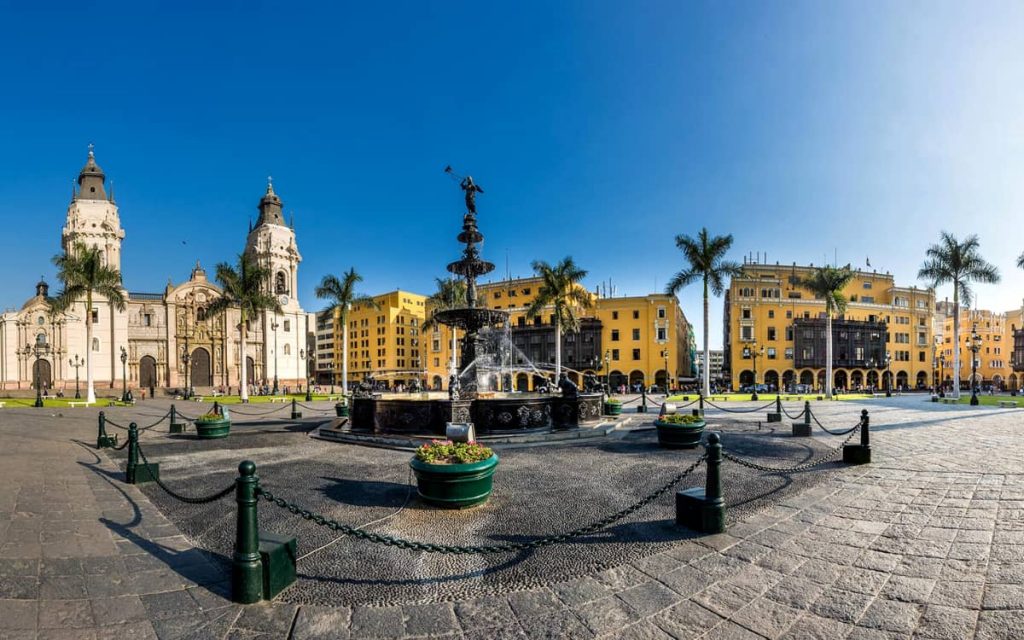
The Lima´s Main Square reaches an elevation of 154 meters above sea level.
History of the city of Lima
Although as an urban settlement it can be traced back to pre-Hispanic times, the history of the city of Lima in Peru as it is known today only begins on January 18, 1535, the date of its foundation by Francisco Pizarro. The city was established in the valley of the Rímac river in an area populated by the lordship of Ichma and taking the name «City of the Kings». It became the capital of the Viceroyalty of Peru and seat of a Royal Audience in 1543. In the 17th century, the city prospered as the center of an extensive commercial network despite frequent earthquakes and the threat of piracy. This boom came to an end in the 18th century as a result of Lima’s economic decline and the Bourbon reforms.
The Lima population played an ambiguous role in Peru’s independence process (1821-1824); the city suffered the excesses of the royalist and patriotic forces alike. After the emancipation, Lima became the capital of the Republic of Peru. It enjoyed a short period of prosperity in the mid-19th century, until its occupation and looting at the hands of Chilean troops during the War of the Pacific (1879-1883). After the war, a period of demographic expansion and urban renewal began. The population grew rapidly from the 1940s as a consequence of a strong migration from the Andean regions of Peru. This led to the proliferation of peripheral neighborhoods known as «young towns» as the expansion of basic services lagged behind population growth.
When was Lima founded?
Lima was founded on January 18, 1535; with the name «The City of the Kings» in the agricultural region that until then was known by the indigenous as Limaq.
What to visit in Lima?
Visiting Lima means discovering the capital of Peru which, during colonial times, was the most important city in South America and, today, is one of the main cities in the region and one of the greatest gastronomic destinations in the world.
Lima is always a destination included in every best vacation packages to Perú.
Know the places to visit in Lima:
Historical Center of Lima
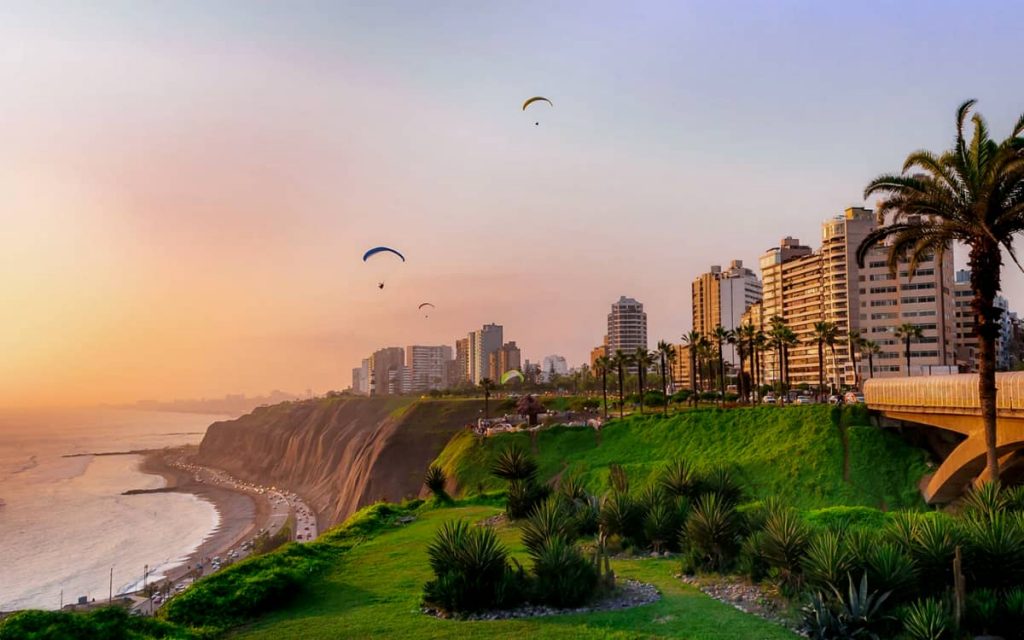
Lima respects its past and achieves the perfect harmony between tradition and contemporary architecture. Walking through its streets is to admire its churches, archaeological sites and mansions with balconies that coexist with modern buildings. In 1991, its Historic Center was declared a Cultural Heritage of Humanity, therefore, its artistic monuments are protected. Lima is also the only South American capital with access to the sea. Its beaches are perfect for surfers; and on its piers, the gentle breeze refreshes bike rides and walks. You can also paraglide over the Pacific Ocean. On the other hand, it is recommended to visit: The Main Square of Lima, The Basilica Cathedral of Lima, The Government Palace, The Church and Convent of San Francisco, the Chinatown, and other attractive points at a cultural, historical and gastronomic level.
Miraflores
It is a tourist and hotel district. It is characterized by its restaurants, commercial stores and entertainment centers. It has large and modern shopping areas, theaters, cinemas and art galleries. Its green areas of great beauty stand out, such as Kennedy Park, which is home to artisans, painters, sculptors and folk music groups.
The must-see places are the Huaca Pucllana, the Park of Love, the Place of Memory, Tolerance and Social Inclusion (LUM) and Larco Mar, a shopping center located on a cliff on the edge of the Costa Verde where there is a magnificent view of the Pacific Ocean.
Enjoy the beautiful views of the sea that this district offers in Perú Vacation Packages to Lima.
Barranco
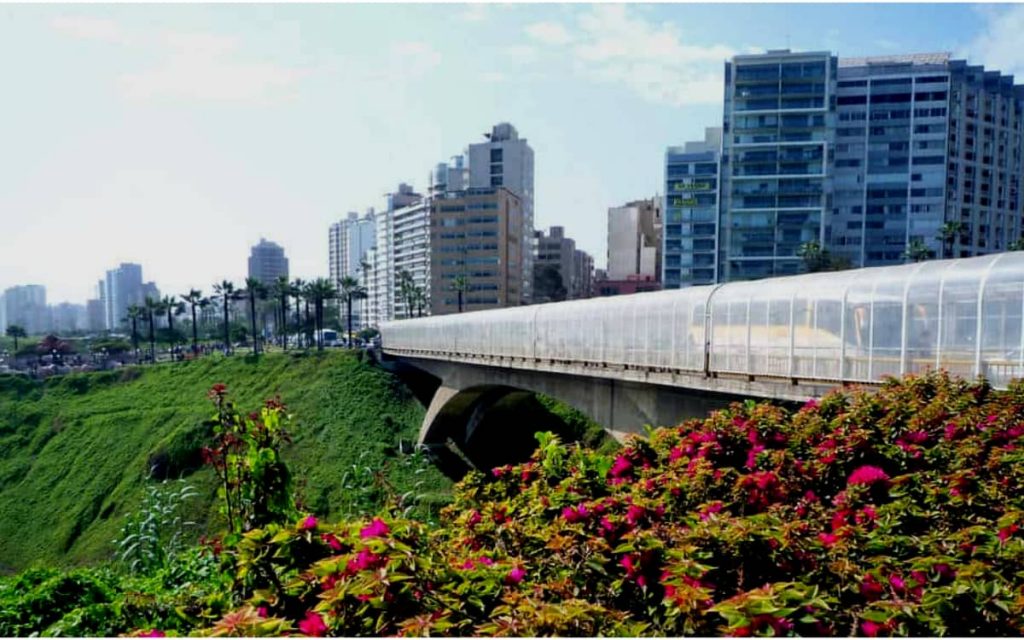
It is the bohemian neighborhood of the city, famous for being the most relaxed expression of Lima’s nightlife. In that district there is a diversity of discos, pubs and cafes, as well as a large agenda of musical and cultural show where there are many concerts, book presentations, craft fairs, etc. Among the most outstanding attractions are the Bridge of Sighs, the Mario Testino Museum – MATE, the Museum of Contemporary Art – MAC Lima, the Electricity Museum, among others.
You should definitely include this district in your travel itinerary to Perú for 15 Days and enjoy the best tourist attractions in the city.
San Isidro
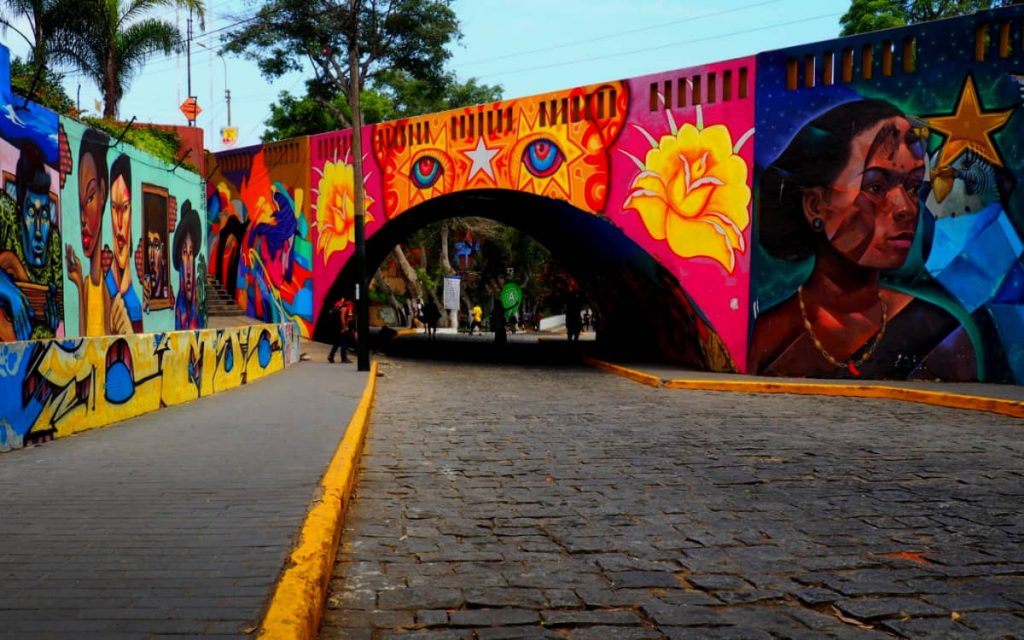
San Isidro has become an important tourist and business center, with modern buildings, hotels, restaurants and business centers. It is characterized by its green areas and exclusive residential neighborhoods where the traditional area of El Olivar stands out, named for the hundred-year-old olive trees in its parks.
Another attraction that is recommended to visit is the Huaca Huallamarca, a pyramidal temple that chronologically corresponds to the time of the beginning of regional developments, highlighting the presence of the Lima, Wari and Inca cultures. It houses a Site Museum where pieces found in the excavations of the place are exhibited.
Other Unmissable Places
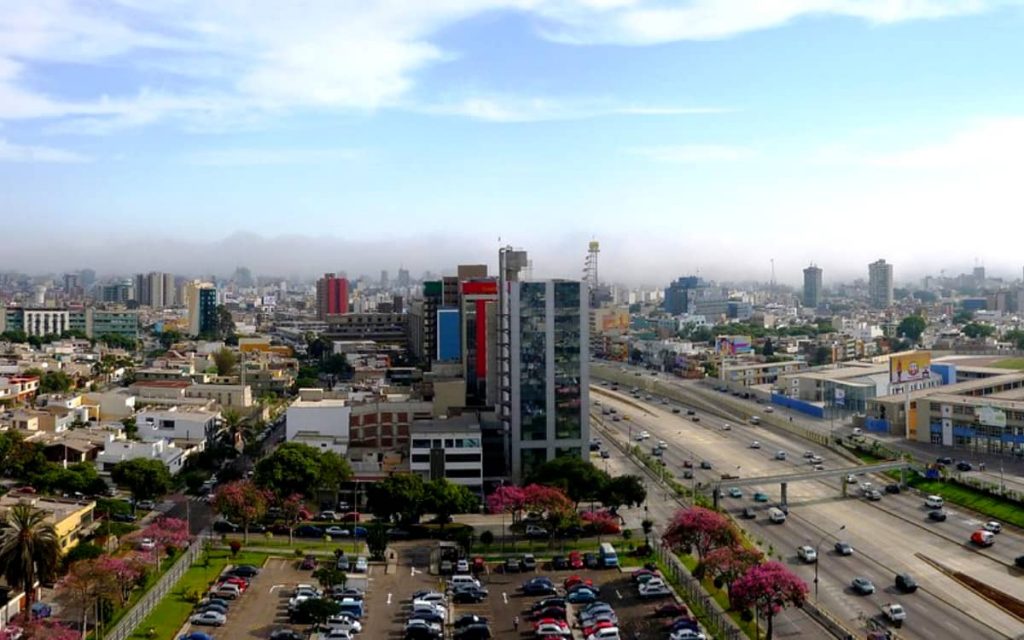
Get to know other places to visit in Lima:
Pueblo Libre District
Pueblo Libre is a historical cultural district that holds great secrets of our history.
In this district, you can visit the National Museum of Archeology, Anthropology and History of Peru and Larco Museum.
Santiago de Surco District
Surco is a district that offers options to enjoy nature and the most fun activities.
In this district, you can visit the Friendship Park.
San Miguel District
This is one of the districts that is fortunate to have access to the sea within the Lima districts.
In this district, you can visit the Legends Park Zoo.
Lurín District
Pachacamac is the largest and most important archaeological complex in Lima.
In this district, you can visit the Archaeological Sanctuary of Pachacamac.
Pachacamac is considered one of the best guided tours of Perú that you cannot miss
Weather in Lima Perú:
The table shows the approximate minimum temperature in Lima, maximum temperature in Lima and relative humidity for each season of the year.
| Time | Weather | Min Temp. | Max Temp. | Humidity |
| Summer (January – March) | Warm | 21 ° C | 30 ° C | 70% |
| Autumn (April – June) | Cold | 17 ° C | 22 ° C | 80% |
| Winter (July – September) | Cold | 14 ° C | 18 ° C | 95% |
| Spring (October – December) | Warm | 17 ° C | 24 ° C | 80% |
Average weather in Lima Peru
In Lima, summers are hot, muggy, arid, and cloudy, and winters are long, cool, dry, windy, and mostly clear. During the course of the year, the temperature generally ranges from 15 ° C to 27 ° C and rarely drops below 14 ° C or rises above 29 ° C.
Based on the tourism score, the best time of year to visit Lima for hot weather activities is from early April to mid-October.
Temperature in Lima
The mild season lasts 3.0 months, from January 3 to April 5, and the daily average maximum temperature is more than 25 ° C. The hottest day of the year is February 18, with an average maximum temperature of 27 ° C and an average minimum temperature of 20 ° C.
The cool season lasts for 4.2 months, from June 11 to October 17, and the average daily maximum temperature is less than 21 ° C. The coldest day of the year is August 16, with an average minimum temperature of 15 ° C and an average maximum of 19 ° C.
Weather in Lima by month
| Month | Maximum Temperature (° C) | Minimum Temperature (° C) | Rain |
| January | 26 ° | 20 ° | 0 days |
| February | 27 ° | 20 ° | 0 days |
| March | 27 ° | 20 ° | 0 days |
| April | 25 ° | 18 ° | 0 days |
| May | 22 ° | 16 ° | 0 days |
| June | 20 ° | 16 ° | 0 days |
| July | 19 ° | 15 ° | 0 days |
| August | 19 ° | 15 ° | 0 days |
| September | 19 ° | 15 ° | 0 days |
| October | 20 ° | 15 ° | 0 days |
| November | 22 ° | 16 ° | 0 days |
| December | 24 ° | 18 ° | 0 days |
Hotels in Lima
Lima is booming and offers visitors an ever-growing variety of hotels to welcome an enthusiastic influx of travelers to the Peruvian capital.
Hotel B
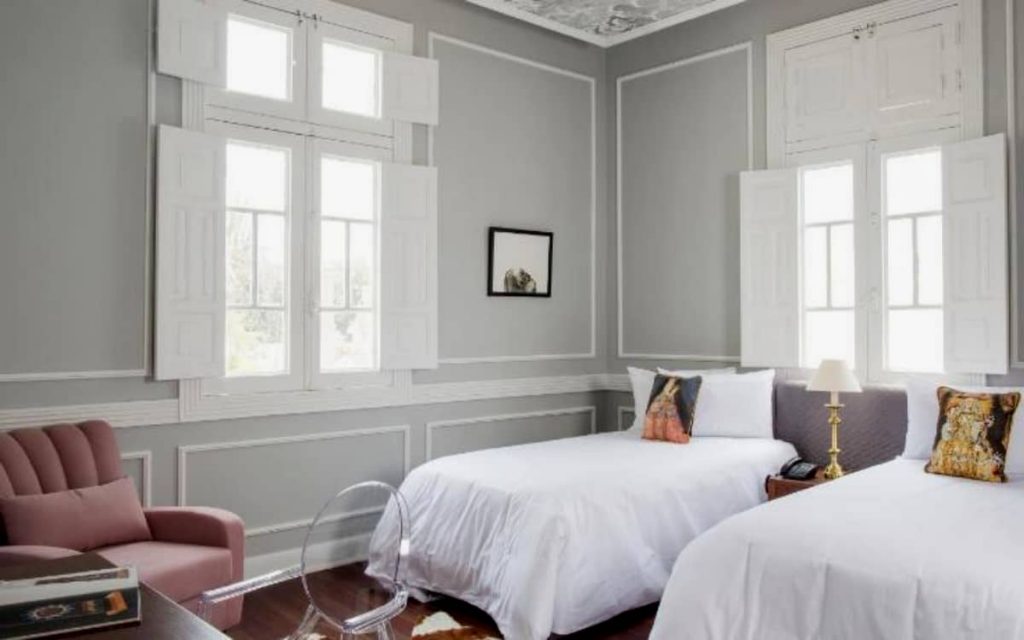
Hotel B is like a boutique hotel with the soul of an artist. In addition to its impeccable palatial façade, the property sports an equally impressive interior with fine finishes, high ceilings and a relaxing aesthetic that invites you to spend time in the library while enjoying a complimentary afternoon tea. The dining room offers a Peruvian-Mediterranean gastronomic fusion from respected local chef Oscar Velarde. The sumptuous rooms feature hardwood floors and high ceilings. In keeping with its bohemian Barranco location, this restored Belle Époque mansion showcases a selection of art from Peruvian and Latin American talents.
Timeless
This small and elegant hotel describes itself. It is comfortably located on a quiet street in Miraflores. Timeless’s compelling aesthetic comes from imagining the hotel as the home of a «globe-trotting freelance photographer» filled with objets d’art collected from far off travels. The restored 1940s Tudor-style home is from the same design team that developed Hotel B and displays a similar emphasis on its artwork and furnishings. The hotel offers guests a car and driver for short excursions, as well as an evening cocktail hour that complements the atmosphere of the property.
Republica House Barranco
Opened in 2018, this elegant 22-room boutique hotel is already making a name for itself as one of Lima’s most personalized properties. In the heart of the popular Barranco district, the restored 1920s mansion with its minimalist decor and relaxing color palette is the perfect antidote to Lima’s hectic energy. Bicycles provided free of charge by the hotel encourage guests to explore the city’s most fashionable district. A laid-back open-air rooftop bar at Casa Republica Barranco is also an ideal spot for an evening drink.
Villa Barranco
Another gem in the Barranco district, this renovated 9-room colonial property has the casual and cozy vibe of a desert island getaway. In addition to the relaxed atmosphere, the hotel has an attractive location just minutes from the Malecón, Lima’s beautiful park-lined promenade. The thoughtfully decorated rooms manage to exude comfort and thoughtful style in equal measure. All rooms have unique individual features such as exposed beams, seating nooks, or balconies with garden or ocean views. And the rooftop bar offers a good place to meet fellow travelers.
Second Home Perú
One of the most exclusive hotels in Lima, this eclectic 8-room property in Barranco is the former home of Peruvian sculptor Victor Delfín. Now overseen by the artist’s daughter, the cozy, art-filled Tudor mansion features simple, well-kept rooms with ocean or garden views. Second Home Perú guests can explore the artist’s home gallery and also use the outdoor pool. Perched on a cliff overlooking the Pacific and within walking distance of many restaurants and bars, this is an ideal sanctuary within the city.
If you plan to book a Perú tour package, you should definitely include this hotel on your list to enjoy a luxury vacation in Peru.
Restaurants in Lima
Lima has been named the gastronomic capital of Latin America, with that fame it is very difficult for any restaurant to enter any list that is made of the best restaurants in Lima.
Lima has been in the international spotlight for having one of the most varied and delicious gastronomic offerings in the region. These factors have come together to raise the level of restaurants in Lima, making it one of the cities where you can come practically alone to eat.
In fact, food tours in Lima are very popular and in great demand among the city’s tourist options. That is why we have prepared a list of the best restaurants in Lima. We gather, in no specific order, from the most expensive options, to some more accessible that you cannot leave the city without trying.
Maido
Address: Calle San Martin 399, Miraflores
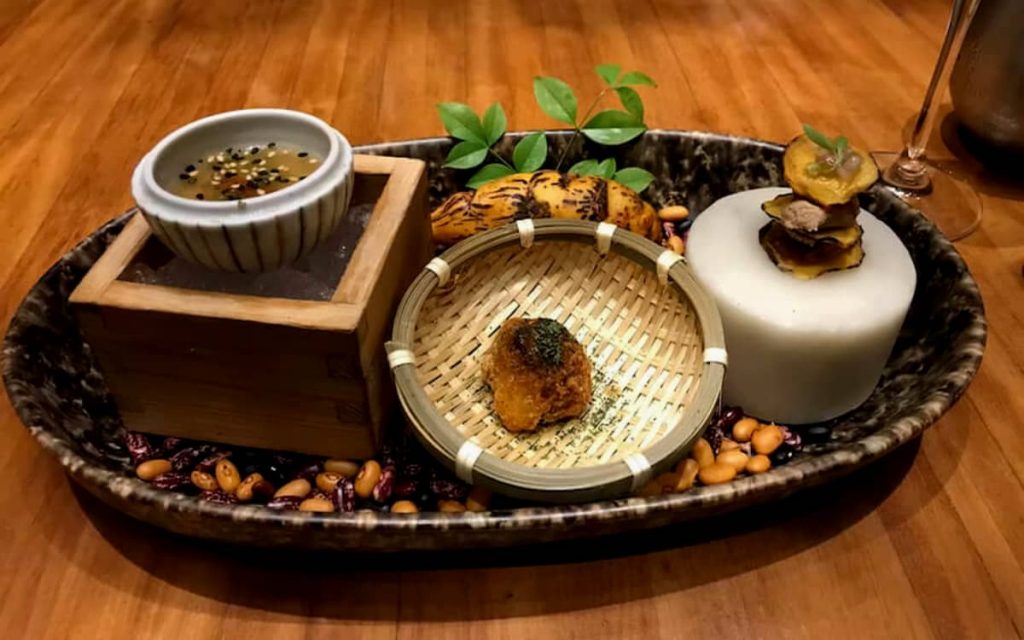
This restaurant combines the best of Nikkei cuisine with Peruvian flavors. By definition, «nikkei» are people or traditions of Japanese descent. In the case of Maido, this is marked in a proposal that has managed to be named number 1 among the best restaurants in Lima, for two consecutive years.
Central Restaurant
Address: Av. Pedro de Osma 301 Lima, Barranco.
This restaurant is another of the jewels in the crown of Peruvian gastronomy. Occupying 6th place on the list of the World’s 50 Best Restaurants, Central has taken Peruvian food to another level.
Faithful believers and defenders of Peruvian ingredients native to the different regions, this project by the award-winning chef Virgilio Martinez is a must for the most demanding palates (and the most comfortable budgets) visiting Lima.
Important: it must be booked on their website. They do not serve customers without reservation.
Saha
Address: Calle Bolívar 164, Miraflores.
This new and innovative restaurant combines Peruvian food with innovative cooking techniques, to achieve high quality dishes that maintain the traditional flavors of the cuisine of the Peruvian coast. New, fresh and in a pleasant environment, it is a great option for a filling and delicious Peruvian meal.
La Mar Peruvian Cevichería
Address: Av. Mariscal La Mar 770.
True to the tradition of not eating ceviche at night, La Mar is the perfect cevichería for lunch. The menu is very dynamic, as it changes depending on what the sea has to offer during the day, so you can go several times without getting bored.
They do not attend at night, except for private events. You definitely cannot leave Lima without trying one of the best ceviches in the city. You get that in La Mar.
Panchita
Address: Calle 2 de Mayo 298, Miraflores.
The typical dishes of Lima have their home in Panchita. Their promise is to offer the Creole food of yesterday «tasty, mischievous and generous» with the flavors of always and they succeed. It is a great place to try real Peruvian food in a cozy but elegant atmosphere.
How to get to Lima?
There are several options to get to Lima, whether you come from abroad by plane or by land. You can also arrive from other cities in Peru that you are visiting. These are your alternatives to get to Lima:
On a flight to Jorge Chávez International Airport
To go from the airport to the tourist districts of San Isidro, Miraflores and Barranco, use Airport Express Lima; the official Lima airport bus, or take a safe taxi inside the airport.
Lima Perú airport
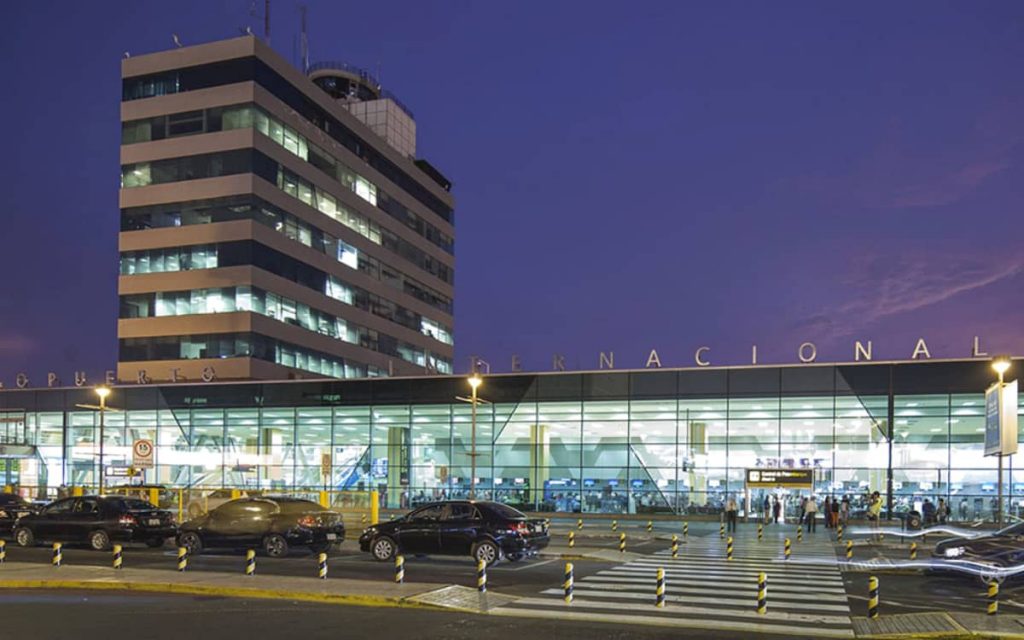
Lima’s Jorge Chávez Airport is one of the busiest airports in South America. It is located in Callao, 17km from the Miraflores and San Isidro tourist areas. It is the most important in Peru, since it concentrates the vast majority of international and national flights in the country, serving more than 22,000,000 passengers per year.
Its strategic location in the middle of the west coast of South America has made it an important hub for the subcontinent. It stands out for its enormous projections in the connection of flights between the Americas, which has resulted in a sustained growth in the flow of passengers, cargo and mail.
Comparatively, it is the South American airport that is best connected to the rest of the American continent in terms of international flights, surpassing even others that have a greater volume of passengers. It is also one of the fastest growing airports in the region. The recent free trade agreements signed by Peru with different Asian countries open the possibility of connecting to the airport with terminals in Asia and Oceania in the near future, also anticipating a greater number of connections without cities.
How to get from Lima to Cusco?
- You can travel from Lima to Cusco by plane or by bus.
- A flight from Lima to the city of Cusco takes approximately 1 hour.
- A bus trip from Lima to the city of Cusco takes 20 hours on average.
There is also a luxury train service that departs from Arequipa to Cusco, which runs through the Andes to Puno and up to Cuzco after 2 days of travel.
However, the vast majority of tourists decide to travel from the city of Lima to Cusco by air. Consider this option if you are planning a 5 days itinerary to Perú or a 6 days itinerary in Perú.
Flights from Lima to Cusco
The traditional way to get to Cusco is to arrive first at the Jorge Chávez International Airport in Lima and from there take a plane to Cusco. The Lima / Cusco flight lasts about an hour.
Without a doubt, the fastest option is to get a flight from Lima to Cusco. Several airlines offer daily flights to Cusco from Lima with a flight time of just over an hour. With most flights from Lima to Cusco departing before 11 a.m. (and the earliest taking off at 5 a.m.), travelers have the option of planning a full day of adventure upon arrival. However, it is advisable to take the day of arrival calmly to acclimatize to the altitude.
Many international travelers choose to take flights from Lima to Cusco directly after arriving in Peru. If this is the case with your itinerary, keep in mind that you will have to go through customs before taking the connecting flight.
The average price of flights from Lima to Cusco is $ 125 but the price of plane tickets can vary a lot, depending on the time of year and how far in advance they are booked. Normally all inclusive vacation packages to Perú include this flight fee in the price.
How to get to Cusco by other means of transport?
Most tourists arrive from Lima to Cusco by plane. However, it is also possible to do it by bus from Lima or other neighboring cities in South America.
Another very rare option is to buy a ticket on the luxurious ‘Belmond Andean Explorer’ train, which runs through the Peruvian cities of Arequipa, Puno and Cusco in a 2-day trip.
Get to Cusco by train
From Arequipa you can travel by train to the city of Puno, on the shores of Lake Titicaca and, from there to the city of Cusco. This ‘Belmond Andean Explorer’ train service is one of the most luxurious trains in the world and lasts 2 days, 2 nights.
From Puno, on the shores of Lake Titicaca, you can travel to the city of Cusco on the ‘Spirit of the Water’ train, a luxury service that runs through the Andes and the Altiplano of Peru. The service is also luxurious and lasts 1 day, 1 night.
Get to Cusco by bus
The bus ride from Lima to Cusco takes approximately 20 hours.
Another option is to travel to Cusco from Arequipa. The bus ride takes 10 hours. However, to get to Arequipa you must travel from Lima (16 hours of travel).
It is also possible to get to Cusco from the tourist city of Puno. The bus trip takes approximately 7 hours.
How to get from Lima to Machu Picchu?
We recommend you to book an Perú & Machu Picchu vacation packages and get to Machu Picchu in a full organized package.
First of all, you must get from Lima to Cusco. Our 6-day tour to Machu Picchu includes the plane ticket from Lima to Cusco.
Once in the city of Cusco, the tourist is more than 100 kilometers from the Inca City of Machu Picchu.
To get to Machu Picchu from Cusco you must follow the following steps:
- Board a bus that will take you to the town of Ollantaytambo in the Sacred Valley of the Incas (trip of 2 hours, approximately). A good
- Board the train that will transport you from Ollantaytambo to Aguas Calientes, a place known as Machu Picchu town (trip of 2 hours, approximately). A well organized Machu Picchu family vacation packages will always include booking your train tickets in advance
- Board one of the buses that will take you from Aguas Calientes to Machu Picchu (30 minutes of travel). The other option is to walk up to Machu Picchu (2 hours of walking, approximately). If you book one of our best Machu Picchu hiking tours, like the Machu Picchu hiking package 11 Days, it will include only buses down from Machu Picchu to the town of Aguas Calientes, since the entrance to the Inca citadel will be through the Inca Trail.
0 comentarios